

University of Mary/St. Alexius Respiratory Therapy Students Shine in Fall Semester and What’s New in the Field
A strong fall semester in respiratory therapy is measured in more than grades. It shows up in the first confident breath sound assessment, the careful setup of a ventilator circuit, the student who asks better questions during clinicals, and the class that starts to see itself as part of a profession built on skill, calm, and service.
That is the story worth celebrating at the St. Alexius/University of Mary Respiratory Therapy Program.
This fall, respiratory therapy students continued to grow in the classroom, in the lab, in clinical settings, and through the community spirit that makes the program feel personal. Our social media has also helped share that story, offering glimpses of student milestones, hands-on learning, faculty support, and pride in a field that often works quietly at the patient’s bedside.
Respiratory therapy is a career for people who want science, patient care, technology, and purpose in the same day. It is also a field with real momentum. New tools, expanded care settings, and a growing need for respiratory expertise are giving future therapists more ways to serve than ever before.

Fall semester brought growth in the classroom and lab
Respiratory therapy education asks a lot from students. They learn anatomy, physiology, pharmacology, patient assessment, mechanical ventilation, cardiopulmonary diagnostics, and emergency response. Then they have to connect that knowledge to a real person who may be scared, short of breath, or critically ill.
Our newest cohort have spent the semester building the habits that shape safe clinicians. Those habits include:
Listening carefully to lung sounds
Reading patient data with accuracy
Practicing aerosol therapy and oxygen delivery
Communicating clearly during patient scenarios
Working as a team during case studies and lab practice
Our seniors have been busy in clinicals for their final semester before graduation. This has given them the chance to practice the calm decision-making that defines the profession. Respiratory therapists often care for patients during tense moments. They support newborns who need help breathing, adults with chronic lung disease, patients recovering from surgery, and people in emergency or intensive care settings.
Students do not learn that responsibility all at once. They build it through repetition, feedback, and encouragement. Fall semester is giving them space to do exactly that.
Clinical learning helped students see the profession up close
Classroom learning gives students the foundation. Clinical learning helps them understand the rhythm of respiratory care.
During clinical experiences, students see how respiratory therapists fit into the larger care team. They observe how therapists assess patients, respond to changes, explain treatments, and work alongside nurses, physicians, and other health professionals. They also begin to understand how varied the field can be.
One day may include oxygen therapy and breathing treatments. Another may involve ventilator checks, pulmonary function testing, arterial blood gas sampling, or patient education. In critical care settings, respiratory therapists may help manage life-support equipment. In outpatient or home care settings, they may support people living with chronic respiratory conditions.
For students, these experiences can be clarifying. A concept that felt abstract in class becomes real at the bedside. A procedure practiced in the lab becomes part of patient care. A career path starts to feel less like an idea and more like a calling.
The University of Mary’s emphasis on service also fits naturally with respiratory therapy. This is a profession that often meets people during vulnerable moments. Technical skill matters, but so does presence. Patients and families remember the therapist who explained what was happening, noticed a change, or brought steady focus into a stressful room.
That blend of science and compassion is one reason students are drawn to the field.

Student achievement showed up in many forms
Not every achievement comes with a certificate or a headline. In a demanding health sciences program, success often looks like persistence.
A fall semester in respiratory therapy can be intense. Students balance exams, lab checkoffs, clinical expectations, and personal commitments. They learn to manage details because details matter in patient care. They also learn that growth takes practice.
That is why this semester’s achievements deserve attention. They reflect discipline, teamwork, and the steady development of future health care professionals.
Respiratory therapy students are not only learning how lungs work. They are learning how to respond when breathing becomes difficult, urgent, or life-changing.
What is new and exciting in respiratory therapy
Respiratory therapy has always been connected to both people and technology. That combination is creating new opportunities across the field.
This section is informational only and is not medical advice. Patients should always talk with qualified health care professionals about their own care.
Respiratory therapists are needed in more care settings
Many people think of respiratory therapists only in hospitals, especially in intensive care units or emergency departments. Those areas remain central to the profession, but the field is broader than that.
Respiratory therapists may work in:
Adult critical care
Neonatal and pediatric care
Emergency departments
Pulmonary rehabilitation
Sleep medicine
Pulmonary function testing
Home respiratory care
Long-term care
Cystic fibrosis and chronic lung disease clinics
Transport teams
Education and leadership roles
This variety gives students room to grow. Some may be drawn to fast-paced critical care. Others may prefer long-term patient relationships in rehabilitation or chronic disease education. Some may find a passion for newborn care, diagnostics, sleep studies, or advanced technology.
Technology is changing how therapists care for patients
Modern respiratory care uses equipment that continues to become more precise and adaptable. Ventilators, monitoring systems, airway clearance devices, and noninvasive breathing support tools all require skilled clinicians who understand both the machine and the patient.
Respiratory therapists do more than operate equipment. They interpret what they see. They watch how a patient responds. They recognize when something needs attention. They help translate data into care decisions.
As care becomes more complex, that ability becomes even more important.
Pulmonary rehabilitation and chronic disease care are growing in importance
People living with chronic respiratory conditions often need support beyond a hospital stay. Pulmonary rehabilitation, patient education, and long-term breathing management can help patients understand symptoms, conserve energy, use medications correctly, and stay active within safe limits.
Respiratory therapists can play a meaningful role in this kind of care. They help patients understand their breathing, build confidence, and manage daily challenges.
For students who enjoy teaching and patient relationships, this part of the field can be especially rewarding.
Sleep and breathing are more connected than many people realize
Sleep medicine is another area where respiratory therapy knowledge fits well. Breathing issues during sleep can affect energy, heart health, mood, and quality of life. Respiratory therapists who work in sleep-related roles may help with testing, therapy setup, patient education, and follow-up support.
This path appeals to students who like physiology, technology, and detailed patient assessment.
The profession continues to value advanced learning
Respiratory therapists can keep growing after graduation. Many pursue specialty credentials, leadership roles, teaching, advanced clinical work, or graduate education. Some focus on adult critical care, neonatal and pediatric care, pulmonary diagnostics, sleep, or disease management.
That growth mindset starts during college. Students who learn how to ask strong questions, study well, practice carefully, and seek feedback are building habits that can serve them for years.

Why prospective students should take a closer look
Respiratory therapy is a strong fit for students who like science but also want direct patient contact. It is a career for people who can stay focused under pressure, pay attention to details, and care about the person behind the diagnosis.
A student exploring the field might ask:
Do I enjoy learning how the body works?
Am I interested in lungs, breathing, and critical care?
Can I picture myself working with patients and families?
Do I like hands-on learning?
Would I enjoy being part of a health care team?
Am I drawn to a field where technology and compassion meet?
If the answer to several of those questions is yes, respiratory therapy deserves a serious look.
The best way to understand the field is to see it. The University of Mary Respiratory Therapy social media is a helpful starting point because it shows real program culture, student activity, and faculty engagement. Social media cannot answer every question, but it can help prospective students picture the day-to-day experience.
After that, the next step is to connect with people who know the program well.
Prospective students can:
Reach out to University of Mary admissions
Ask to connect with respiratory therapy faculty
Visit campus or attend a program event when available
Follow the respiratory therapy program’s Facebook page
Ask about lab learning, clinical experiences, and career outcomes
Talk with current students or alumni if the opportunity is available
Faculty conversations are especially helpful. Respiratory therapy faculty can explain what students study, what clinical learning looks like, what qualities help students succeed, and where graduates may serve after completing the program.
Those conversations can turn curiosity into a clear plan.
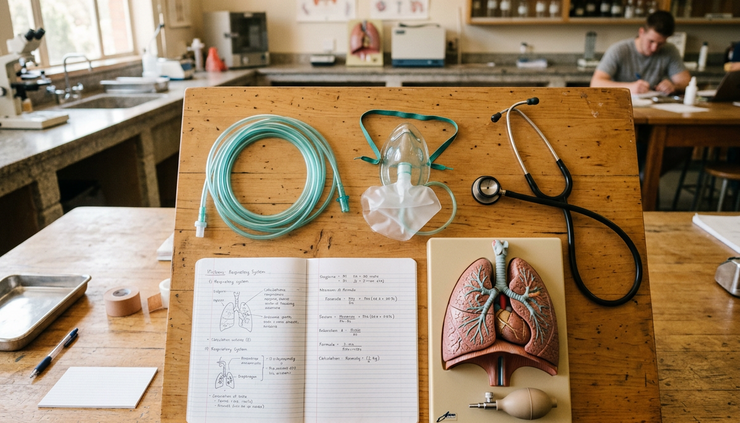
Celebrating the semester and looking ahead
This fall semester showed what makes University of Mary respiratory therapy students worth celebrating. They practiced difficult skills, supported one another, learned from faculty, and took meaningful steps toward a profession that helps people breathe easier.
Their achievements are part of a larger story. Respiratory therapy continues to grow in scope, value, and visibility. The field needs skilled clinicians who can combine science, technology, and human care. It needs students who are willing to learn, practice, serve, and keep growing.
For anyone considering a health care career, respiratory therapy offers a clear and meaningful path. Follow the University of Mary Respiratory Therapy Facebook page, connect with admissions, and ask to meet faculty who can explain the program and the profession in more detail.
The fall semester is worth celebrating, and the future of respiratory therapy gives students even more reason to be excited about what comes next.

Comments